
Optimizing meals subsidies: Making use of digital platforms to maximise vitamin | MIT Information

Oct. 16 is World Meals Day, a world marketing campaign to rejoice the founding of the Meals and Agriculture Group 80 years in the past, and to work towards a wholesome, sustainable, food-secure future. Greater than 670 million people on the earth are dealing with starvation. Tens of millions of others are dealing with rising weight problems charges and battle to get wholesome meals for correct vitamin.
World Meals Day calls on not solely world governments, however enterprise, academia, the media, and even the youth to take motion to advertise resilient meals techniques and fight starvation. This 12 months, the Abdul Latif Jameel Water and Meals Methods Laboratory (J-WAFS) is spotlighting an MIT researcher who’s working towards this objective by learning meals and water techniques within the World South.
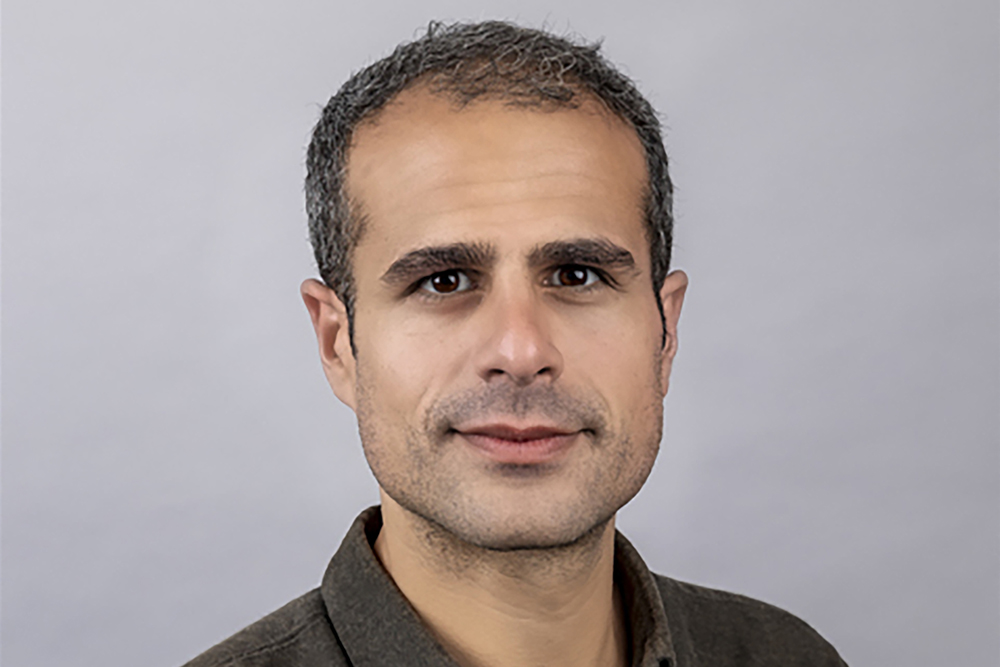
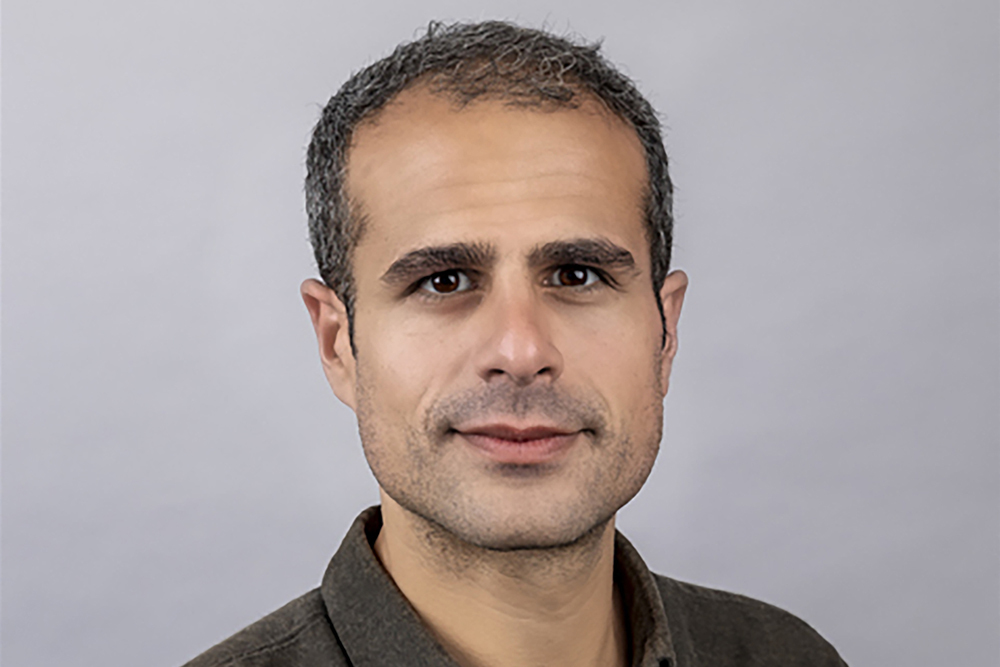
J-WAFS seed grants present funding to early-stage analysis tasks which can be distinctive to prior work. In an eleventh spherical of seed grant funding in 2025, 10 MIT college members acquired help to hold out their cutting-edge water and meals analysis. Ali Aouad PhD ’17, assistant professor of operations administration on the MIT Sloan Faculty of Administration, was a type of grantees. “I had searched earlier than becoming a member of MIT what sort of analysis facilities and initiatives have been out there that attempted to coalesce analysis on meals techniques,” Aouad says. “And so, I used to be very enthusiastic about J-WAFS.”
Aouad gathered extra details about J-WAFS on the new college orientation session in August 2024, the place he spoke to J-WAFS employees and discovered about this system’s grant alternatives for water and meals analysis. Later that fall semester, he attended a number of J-WAFS seminars on agricultural economics and water useful resource administration. That’s when Aouad knew that his venture was completely aligned with the J-WAFS mission of securing humankind’s water and meals.
Aouad’s seed venture focuses on meals subsidies. With a background in operations analysis and an curiosity in digital platforms, a lot of his work has centered on aligning supply-side operations with heterogeneous buyer preferences. Previous tasks embrace ones on retail and matching techniques. “I began pondering that some of these demand-driven approaches could also be additionally very related to necessary social challenges, significantly as they relate to meals safety,” Aouad says. Earlier than beginning his PhD at MIT, Aouad labored on tasks that checked out subsidies for smallholder farmers in low- and middle-income international locations. “I believe at the back of my thoughts, I’ve all the time been fascinated by making an attempt to resolve these points,” he famous.
His seed grant venture, Optimal subsidy design: Application to food assistance programs, goals to leverage information on preferences and buying habits from native grocery shops in India to tell meals help coverage and optimize the design of subsidies. Typical information assortment techniques, like point-of-sales, will not be as available in India’s native groceries, making such a information laborious to come back by for low-income people. “Mother-and-pop shops are extraordinarily necessary last-mile operators with regards to vitamin,” he explains.
For this venture, the analysis group gave native grocers point-of-sale scanners to trace buying habits. “We goal to develop an algorithm that converts these transactions into some kind of ‘revelation’ of the people’ latent preferences,” says Aouad. “As such, we will mannequin and optimize the meals help packages — how a lot selection and suppleness is obtainable, making an allowance for the anticipated demand uptake.” He continues, “now, in fact, our means to reply detailed design questions [across various products and prices] will depend on the standard of our inference from the info, and so that is the place we want extra subtle and strong algorithms.”
Following the info assortment and mannequin improvement, the final objective of this analysis is to tell coverage surrounding meals help packages by means of an “optimization method.” Aouad describes the complexities of utilizing optimization to information coverage. “Insurance policies are sometimes knowledgeable by area experience, legacy techniques, or political deliberation. A whole lot of researchers construct rigorous proof to tell meals coverage, but it surely’s honest to say that the form of method that I’m proposing on this analysis just isn’t one thing that’s generally used. I see a possibility for bringing a brand new method and methodological custom to an issue that has been central for coverage for a lot of many years.”
The general well being of shoppers is the rationale meals help packages exist, but measuring long-term dietary impacts and shifts in buy conduct is tough. In previous analysis, Aouad notes that the short-term results of meals help interventions might be important. Nevertheless, these results are sometimes short-lived. “This can be a fascinating query that I don’t assume we will deal with throughout the house of interventions that we’ll be contemplating. Nevertheless, I believe it’s one thing I wish to seize within the analysis, and possibly develop hypotheses for future work round how we will shift nutrition-related behaviors in the long term.”
Whereas his venture develops a brand new methodology to calibrate meals help packages, large-scale purposes will not be promised. “A whole lot of what drives subsidy mechanisms and meals help packages can also be, fairly frankly, how straightforward it’s and the way cost-effective it’s to implement these insurance policies within the first place,” feedback Aouad. Value and infrastructure obstacles are unavoidable to this type of coverage analysis, in addition to sustaining these packages. Aouad’s effort will present insights into buyer preferences and subsidy optimization in a pilot setup, however replicating this method on an actual scale could also be expensive. Aouad hopes to have the ability to collect proxy data from prospects that may each feed into the mannequin and supply perception right into a less expensive approach to gather information for large-scale implementation.
There may be nonetheless a lot work to be accomplished to make sure meals safety for all, whether or not it’s advances in agriculture, food-assistance packages, or methods to spice up sufficient vitamin. Because the 2026 seed grant deadline approaches, J-WAFS will proceed its mission of supporting MIT college as they pursue progressive tasks which have sensible and actual impacts on water and meals system challenges.