
Exploring how AI will form the way forward for work | MIT Information
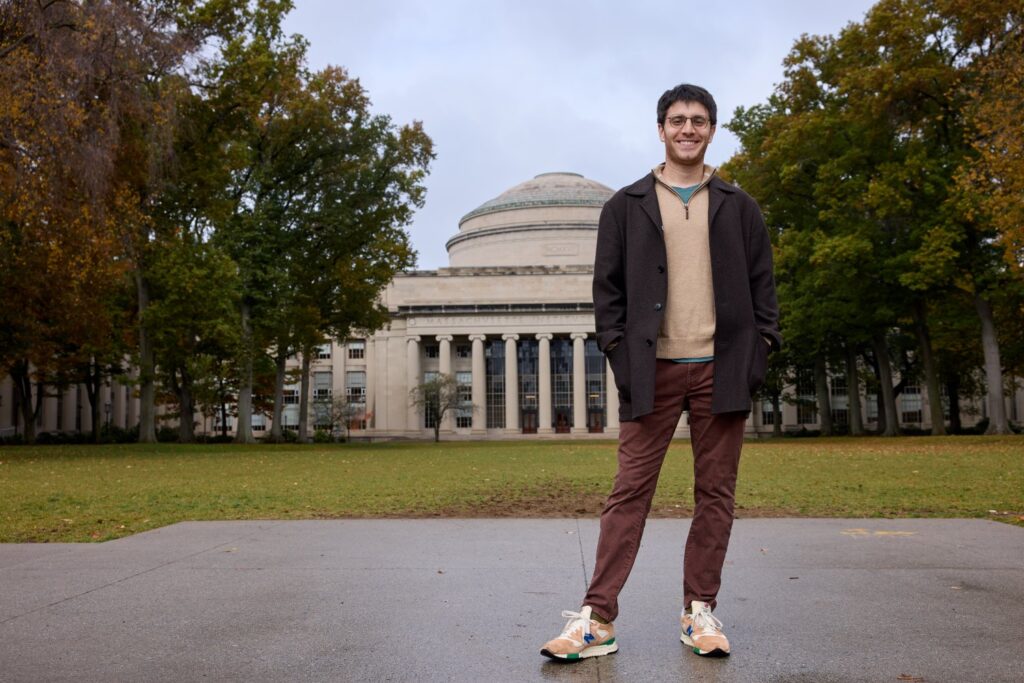

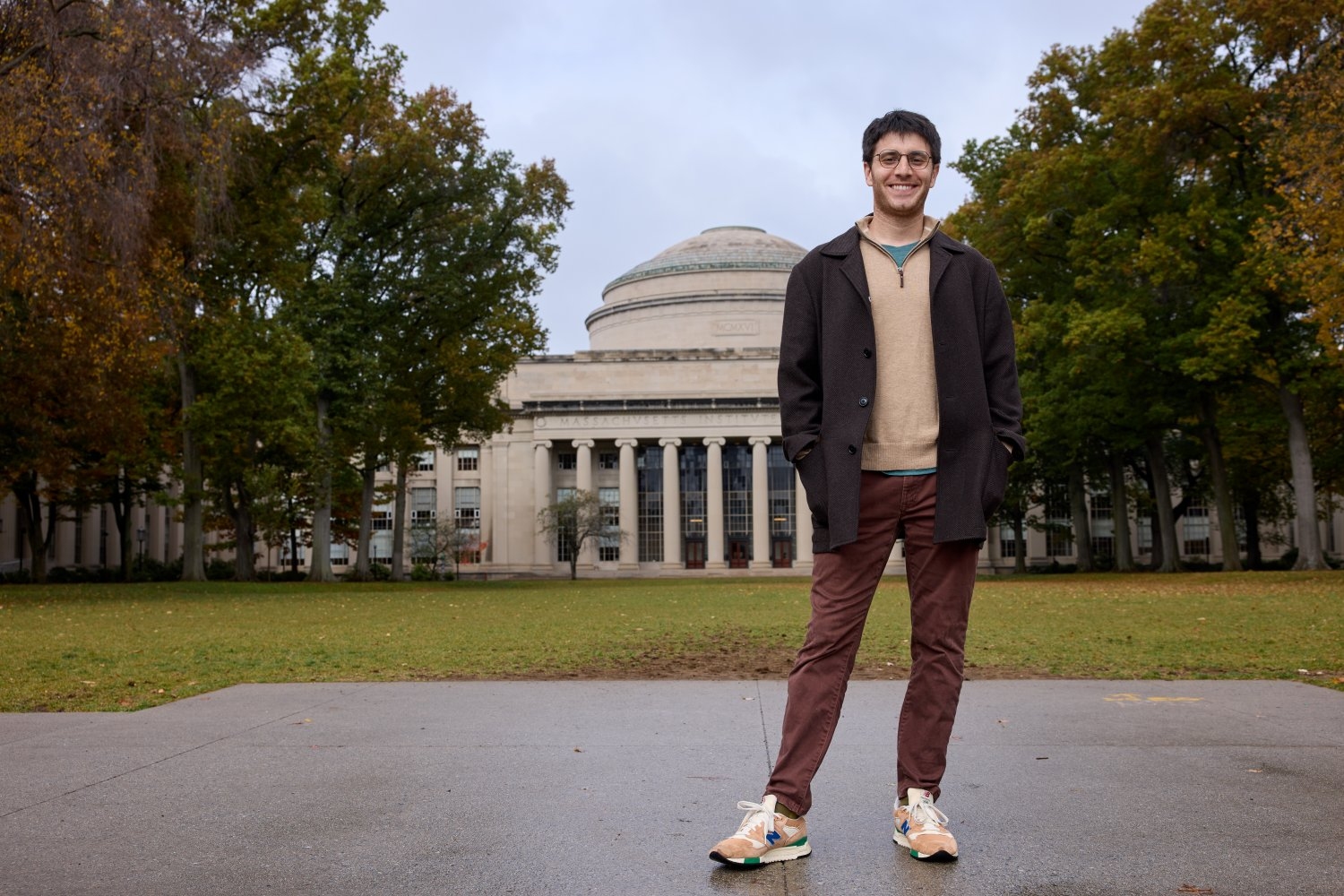
“MIT hasn’t simply ready me for the way forward for work — it’s pushed me to check it. As AI techniques turn into extra succesful, extra of our on-line exercise shall be carried out by synthetic brokers. That raises large questions: How ought to we design these techniques to grasp our preferences? What occurs when AI begins making lots of our selections?”
These are among the questions MIT Sloan Faculty of Administration PhD candidate Benjamin Manning is researching. A part of his work investigates the best way to design and consider synthetic intelligence brokers that act on behalf of individuals, and the way their conduct shapes markets and establishments.
Beforehand, he acquired a grasp’s diploma in public coverage from the Harvard Kennedy Faculty and a bachelor’s in arithmetic from Washington College in St. Louis. After working as a analysis assistant, Manning knew he needed to pursue an educational profession.
“There’s no higher place on the planet to check economics and laptop science than MIT,” he says. “Nobel and Turing award winners are in every single place, and the IT group lets me discover each fields freely. It was my best choice — once I was accepted, the choice was clear.”
After receiving his PhD, Manning hopes to safe a school place at a enterprise college and do the identical sort of labor that MIT Sloan professors — his mentors — do on daily basis.
“Even in my fourth yr, it nonetheless feels surreal to be an MIT pupil. I don’t assume that feeling will ever fade. My mother positively received’t ever recover from telling folks about it.”
Of his MIT Sloan expertise, Manning says he didn’t comprehend it was doable to study a lot so rapidly. “It’s no exaggeration to say I discovered extra in my first yr as a PhD candidate than in all 4 years of undergrad. Whereas the tempo may be intense, wrestling with so many new concepts has been extremely rewarding. It’s given me the instruments to do novel analysis in economics and AI — one thing I by no means imagined I’d be able to.”
As an economist learning AI simulations of people, for Manning, the way forward for work not solely means understanding how AI acts on our behalf, but additionally radically enhancing and accelerating social scientific discovery.
“One other a part of my analysis agenda explores how nicely AI techniques can simulate human responses. I envision a future the place researchers check thousands and thousands of behavioral simulations in minutes, quickly prototyping experimental designs, and figuring out promising analysis instructions earlier than investing in pricey human research. This isn’t about changing human perception, however amplifying it: Scientists can give attention to asking higher questions, creating principle, and decoding outcomes whereas AI handles the computational heavy lifting.”
He’s excited by the prospect: “We’re probably shifting towards a world the place the tempo of understanding could get a lot nearer to the pace of financial change.”