
‘Bodily AI’ Is Coming for Your Automobile

Bodily AI sounds like a contradiction in phrases. A pc, however a physique?
However for the advertising and marketing architects, it’s the most recent time period of artwork, a buzzword meant to level us residents towards a vibrant and promising technological future.
Again right here on earth, the time period is perhaps most helpful as a method to perceive how automotive firms are fascinated by themselves proper now: as tech pioneers. It’s additionally a useful shortcut to understanding how appetizing the automotive trade is for the businesses that make chips—what could be a $123 billion alternative by 2032, up some 85 p.c from 2023. The large CES shopper tech showcase that simply came about in Las Vegas all the time has its share of goofy robotic demos, however this 12 months’s displays confirmed how the world of robots, vehicles, and chipsets are rising ever nearer.
First, to outline (advertising and marketing) phrases: “Bodily AI” is the best way tech builders finally hope that autonomous programs work together with the actual world, by utilizing digicam and sensor knowledge to actually perceive and motive by way of what’s happening round them, and carry out complicated duties to reply. Bodily AI is humanoid robots placing in a day’s work on the Hyundai manufacturing unit flooring, as Google DeepMind, Boston Dynamics, and the Korean automaker announced they would do in the coming months. It’s a automotive driving itself in complicated visitors conditions, or taking an arguably extra difficult job: seamlessly handing off management between a human driver and a software-powered one. Bodily AI lets autonomous programs like cameras, robots, and self-driving vehicles understand, perceive, motive, and carry out or orchestrate difficult actions in the actual world.
It’s no accident that the businesses making the loudest noise about bodily AI are chipmakers, together with Nvidia and ARM. The previous introduced an entire new open supply line of AI fashions concentrating on autonomous programs; the latter debuted a Physical AI division at CES. They stand to make a piece of change off the pattern.
Witness, for instance, the parade of autonomy-related bulletins at CES, which is able to all require some highly effective computing assets onboard.
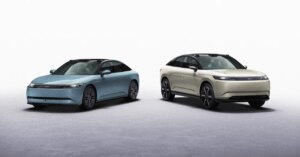
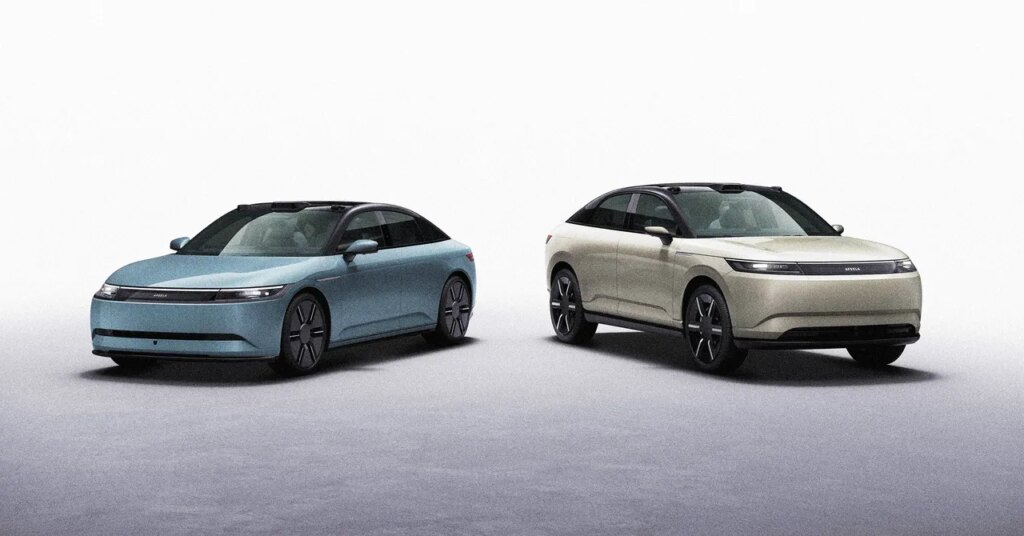
Ford says it should promote a system that permits drivers to function their autos without looking at the road in front of them by 2028. The Afeela, a battery-powered collaboration between Sony and Honda, will drive by itself in most conditions sooner or later, date TBD. Nvidia will supply the chips for Chinese language automaker Geely’s new “clever driving system,” which is able to finally transition to what the corporate calls “high-level autonomous driving.” Nvidia can also be concerned in Mercedes-Benz’s new hands-off driving system, to debut in the US this year. Ultimately, the corporate says the system ought to have the ability to drive between house and work with out assist. “That is already an enormous enterprise for us,” Nvidia CEO Jensen Huang mentioned of self-driving vehicles throughout his CES presentation.
“The central mind of the automobile will now be quantum leaps larger—lots of of instances as large—and that’s what [chipmakers] are promoting into,” says Mark Wakefield, the worldwide automotive market lead at consultancy AlixPartners. “They see an enormous future in these autos.”
No surprise their entrepreneurs discovered an attractive new method to describe it.